Skip to content

1

Providing our customers with waste diversion and reuse services as well as reliable streams of high-quality recycled materials. These services directly support our customers in their transition from a ‘take-make-waste’ extractive economy to a more circular one – reducing their need for virgin materials and helping lower their GHG emissions.

2

Reducing our own GHG emissions through an achievable and transparent GHG reduction pathway. Through GFL’s Hybrid GHG Emission Reduction Strategy our scope 1 and 2 GHG emissions reduction target is a 30% absolute reduction in emissions by 2030 (2021 base year).

Increasing Recovery of Recyclables

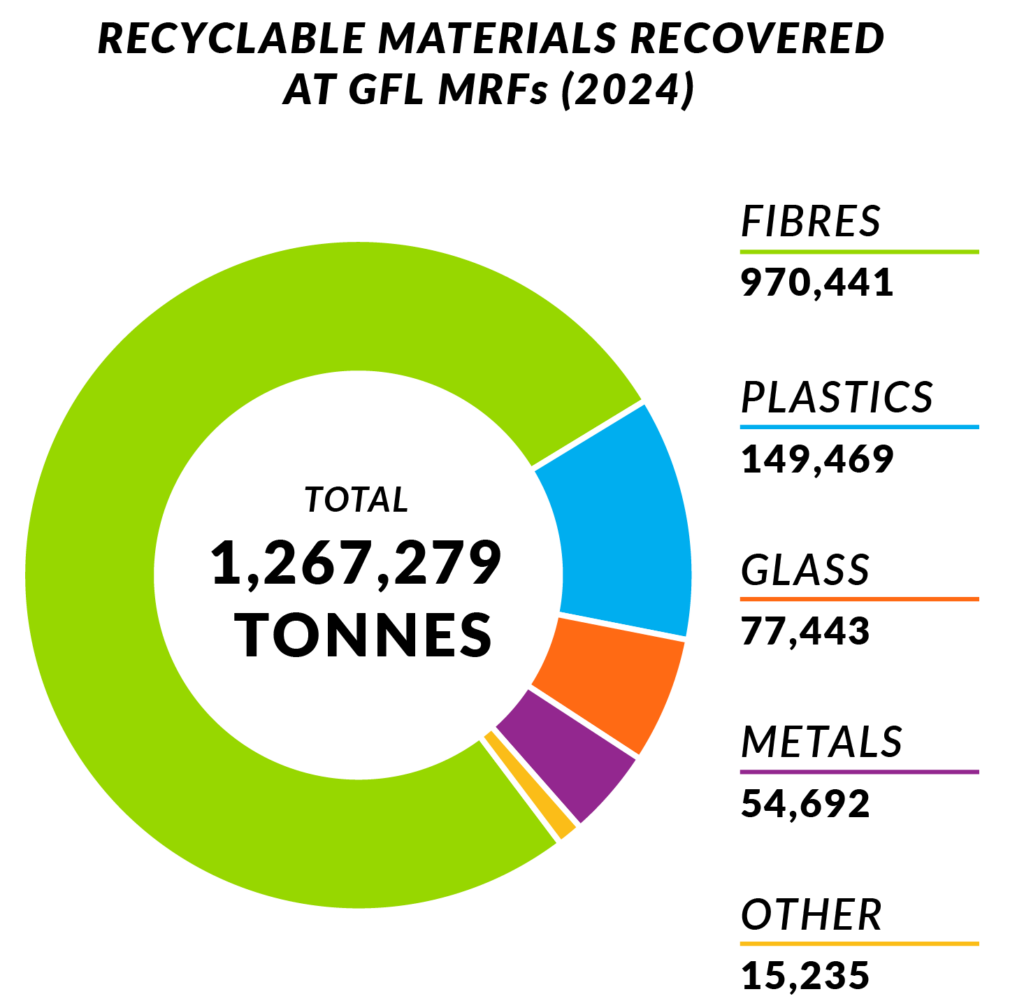
In 2024, we recovered more than 1.2 million tonnes of recyclable materials at our more than 30 material recovery facilities (MRFs) across the United States and Canada. This represents an almost 8% increase in the volume of material recovered at our MRFs since 2021, and puts us on track to achieve our goal to increase recyclables recovered at GFL MRFs by 40% by 2030. Fibre accounted for almost one million tonnes, making it by far the largest share of materials recovered. Plastics, glass, metals and other materials made up the remainder of the materials that we recovered at our MRFs.

Recycling fibre at this scale reduces the need for virgin pulp and paper production, which in turn helps conserve resources and lower greenhouse gas emissions.

Since our last report, we commissioned new facilities in Edmonton and Calgary, Alberta, Mayville, Wisconsin, and in Montreal, Quebec which is highlighted on this page.

We continue to expand our recycling network, including the expansion of our award winning MRF in Toronto, Ontario to be completed in 2026. These investments in recycling facilities mean more materials recovered, less waste, and greater support for our customers in achieving their sustainability goals.
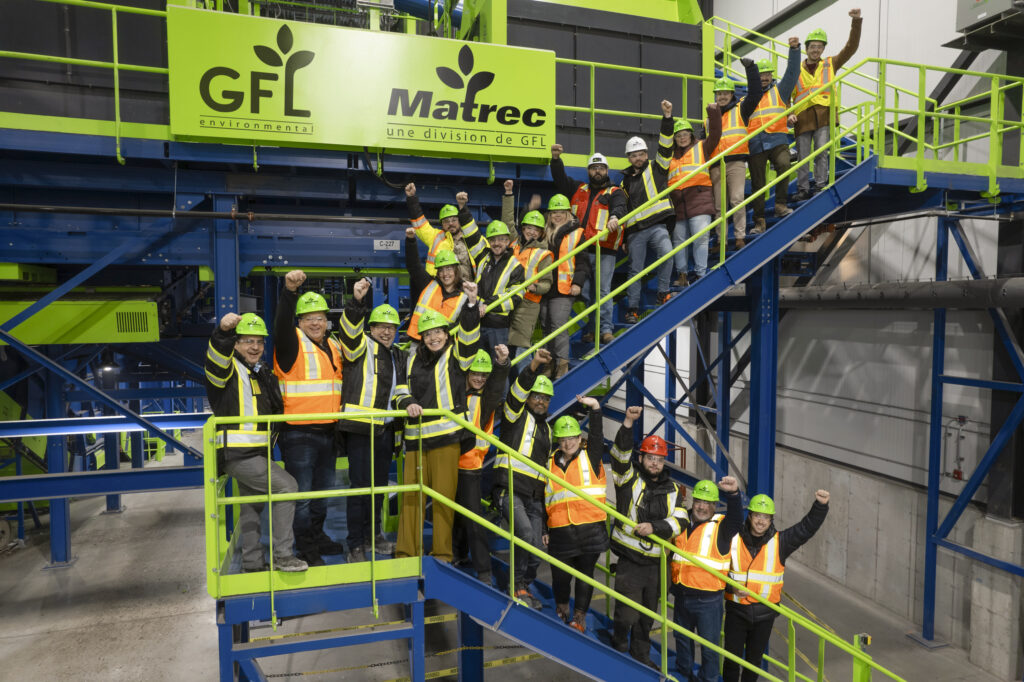
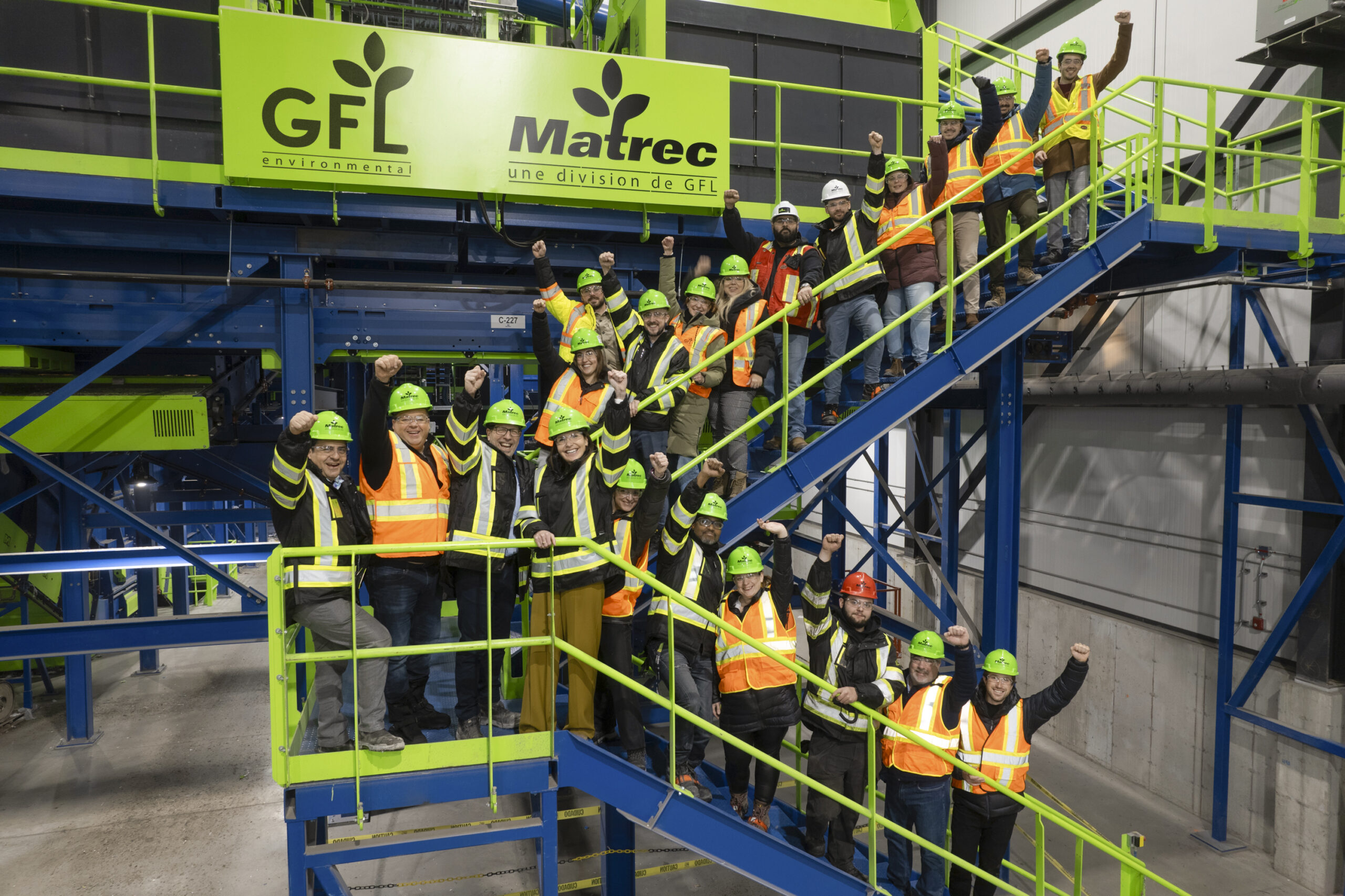
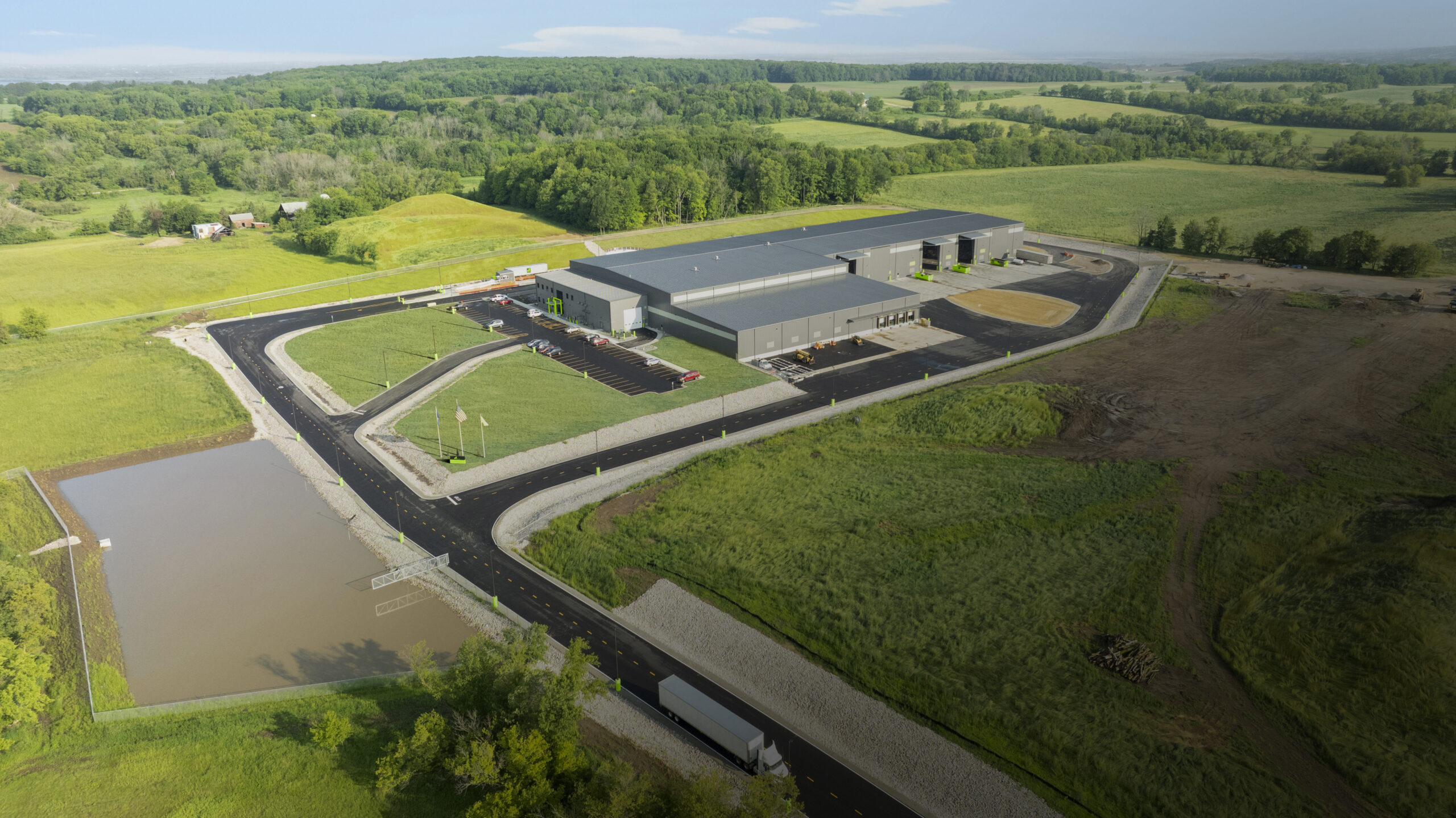
GFL’S MONTREAL-EST MRF: Our new Montreal-Est MRF that opened in January, 2025 is designed to process up to 200,000 tonnes of recyclables annually. The state-of-the-art facility integrates 17 advanced optical sorters powered by artificial intelligence, ballistic separators, glass cleaning systems, a plastic film extractor, and high-capacity balers. Operating at 52 tonnes per hour, this facility significantly improves recovery efficiency and helps our customers meet Quebec’s Extended Producer Responsibility requirements while advancing the circular economy.
The new facility is co-located with our Construction and Demolition MRF that sorts construction and demolition materials from development projects for reuse. Combined, these two facilities create a comprehensive sorting and reuse hub to meet the whole range of recycling needs of all of our customers.

Further Efforts on Waste Diversion

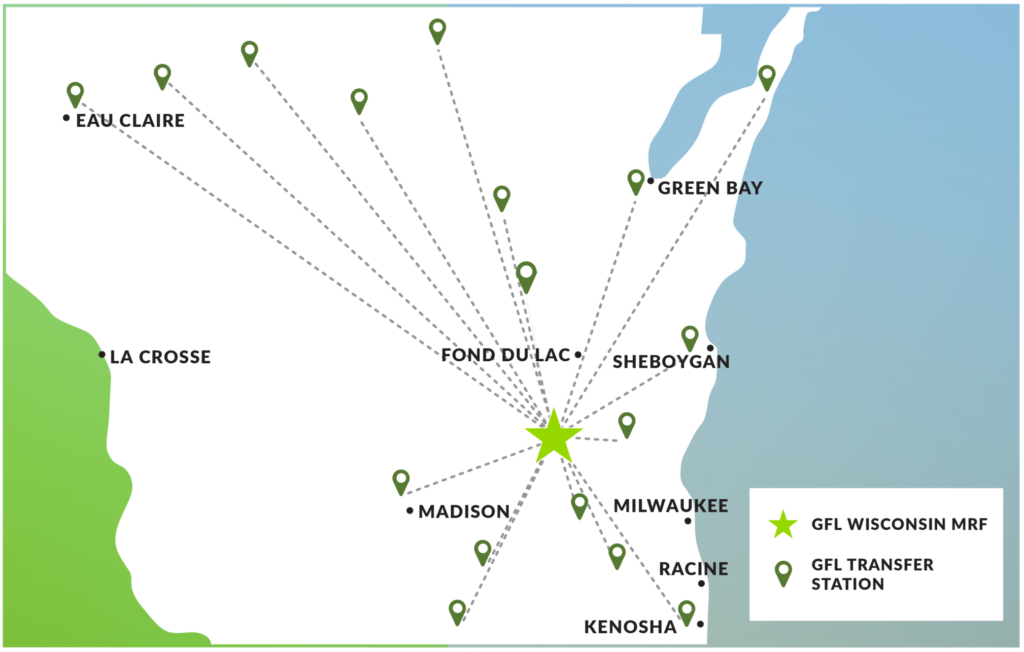
By strategically positioning new facilities, we shorten transportation routes and expand our reach to more communities. For example, our new Mayville, Wisconsin MRF is located near more than 15 of our transfer stations, which helps drive increased collection efficiency.

Since 2020, GFL has processed recyclables under the first fully legislated Extended Producer Responsibility framework that is in place in British Columbia. We continue to work with policymakers and producers to develop recycling programs that, based on our experience, will maximize collection efficiency and recovery. Our leadership has also allowed us to support our customers in developing recovery systems that align with their recycling goals and new policies as they evolve.
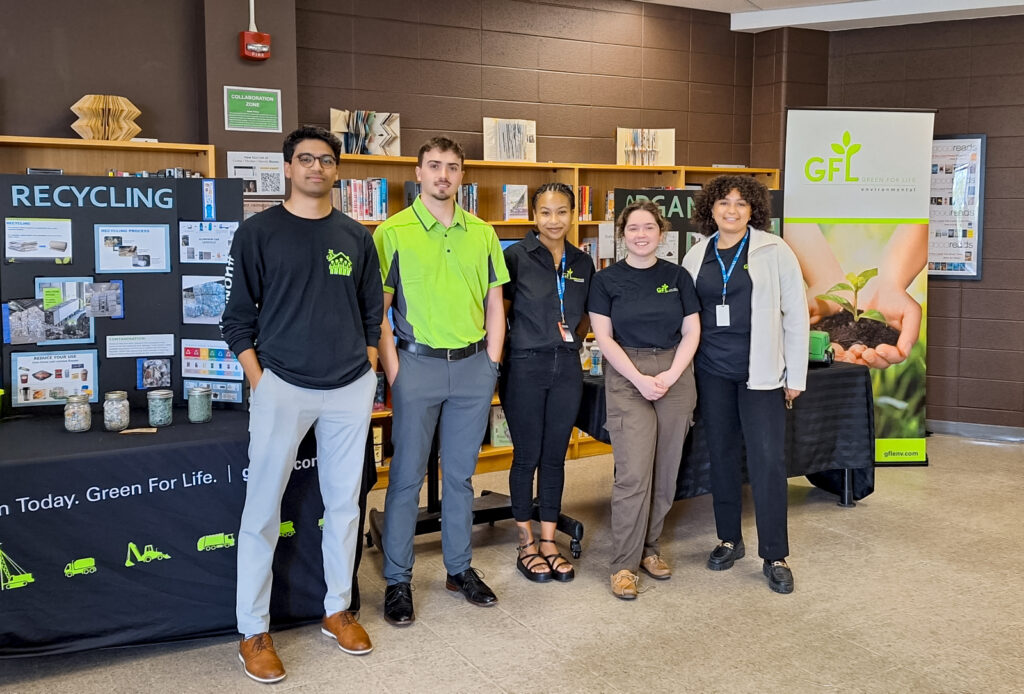
HELPING CUSTOMERS ACHIEVE BETTER WASTE DIVERSION: Our Waste Audit Services Team provides our customers with actionable data that helps them develop and improve their diversion strategies. In 2024, we conducted Fredericton, New Brunswick’s first residential waste audit.
We analyzed material from 80 households and found that more than 60% of waste could be diverted through recycling, composting, or donation. These results gave the city clear data for building stronger waste reduction strategies.

The People Behind Our Success – GFL’S Extended Producer Responsibility Team

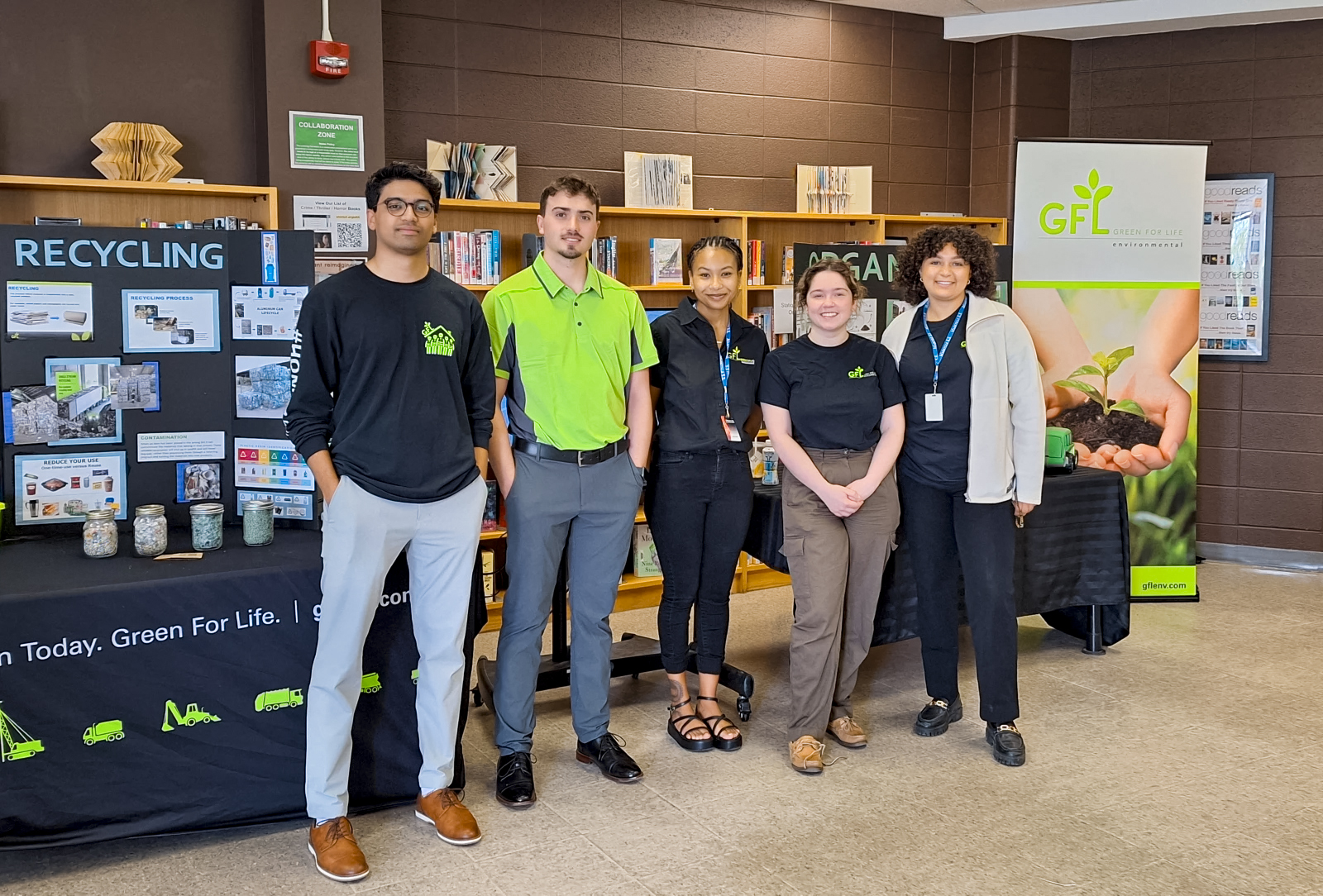
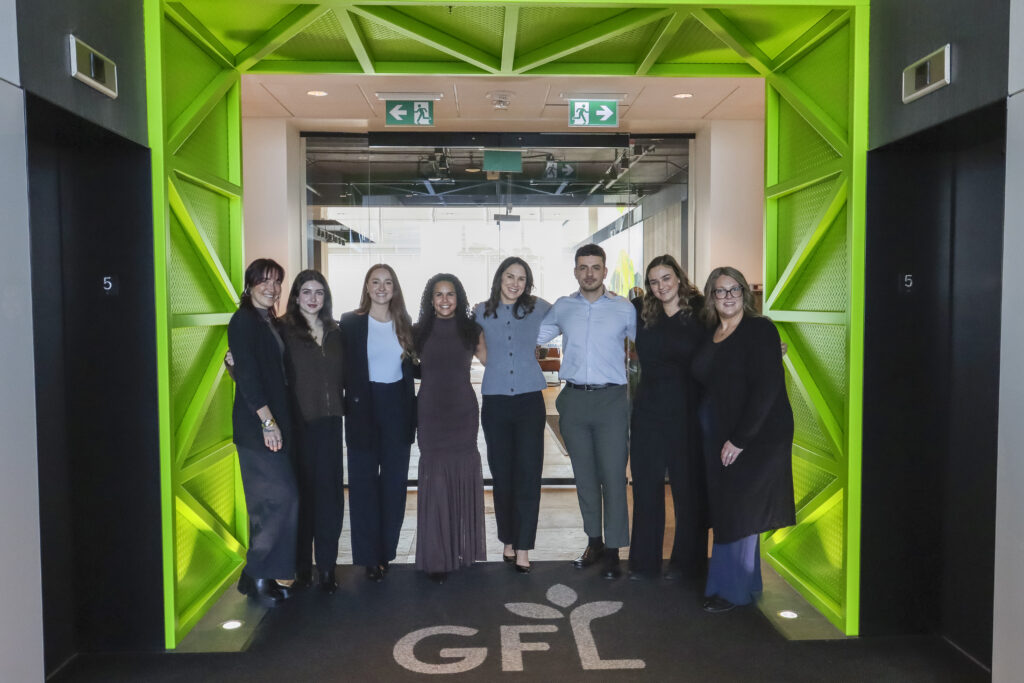
As we continue to expand our recycling services to support Extended Producer Responsibility (EPR) programs being implemented across Canada, our EPR Team has been at the forefront of our initiatives. Working closely with our recycling collection and MRF operations teams, and with the producer responsibility organizations (PROs) that manage EPR programs, the EPR Team ensures that the goals of the PROs and their constituents are translated into action by GFL’s operational teams. The EPR Team also works with governments across North America to help educate them on the most effective recycling strategies.
RGB images are for digital use and non-professional printed material (i.e. printed on an in-house office printer). Examples Include: PowerPoint Presentations, Email, Website, Online Directory Listings, Social media, Digital Billboards, iPads, Microsoft Office Documents printed in house.

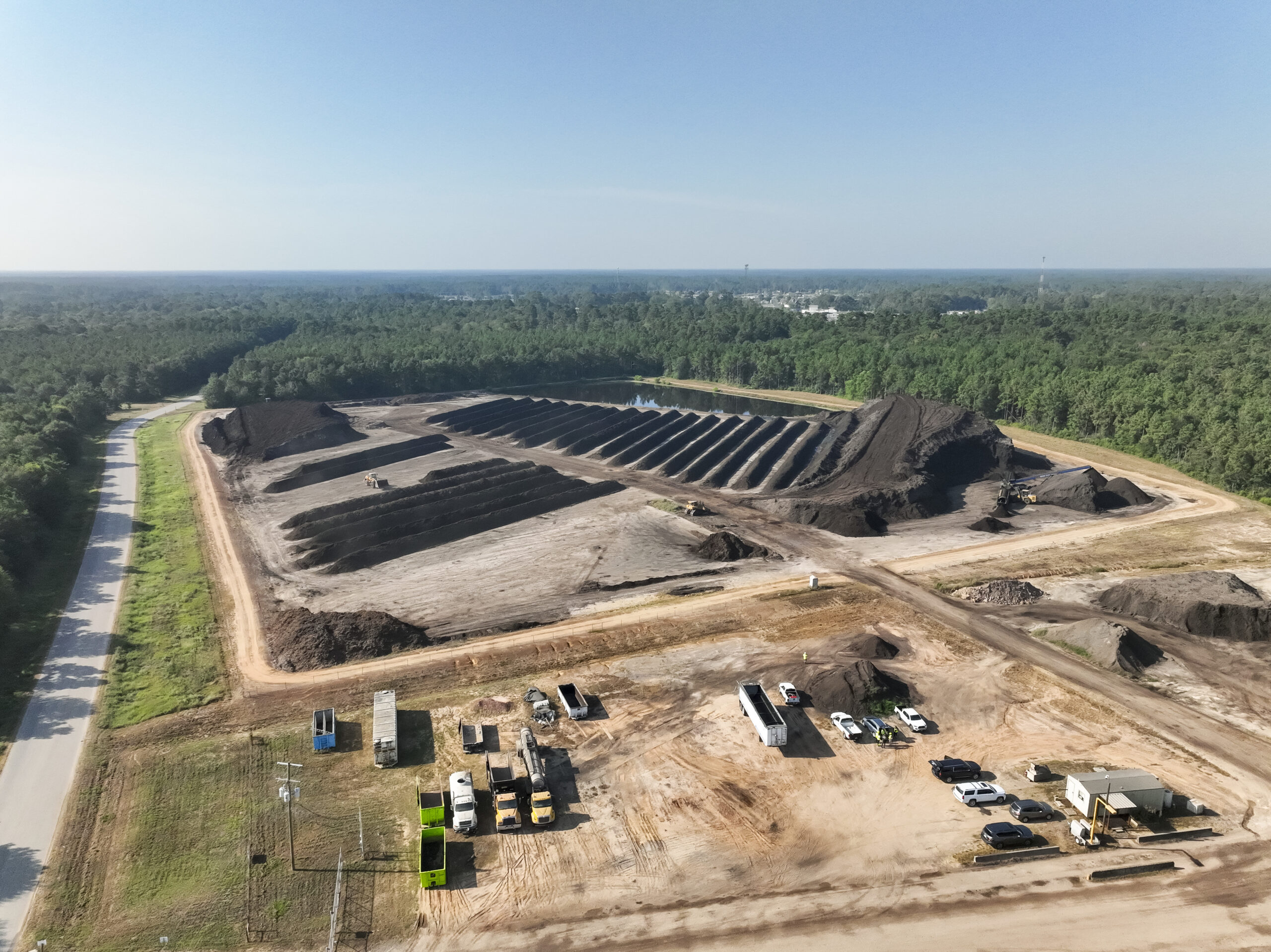
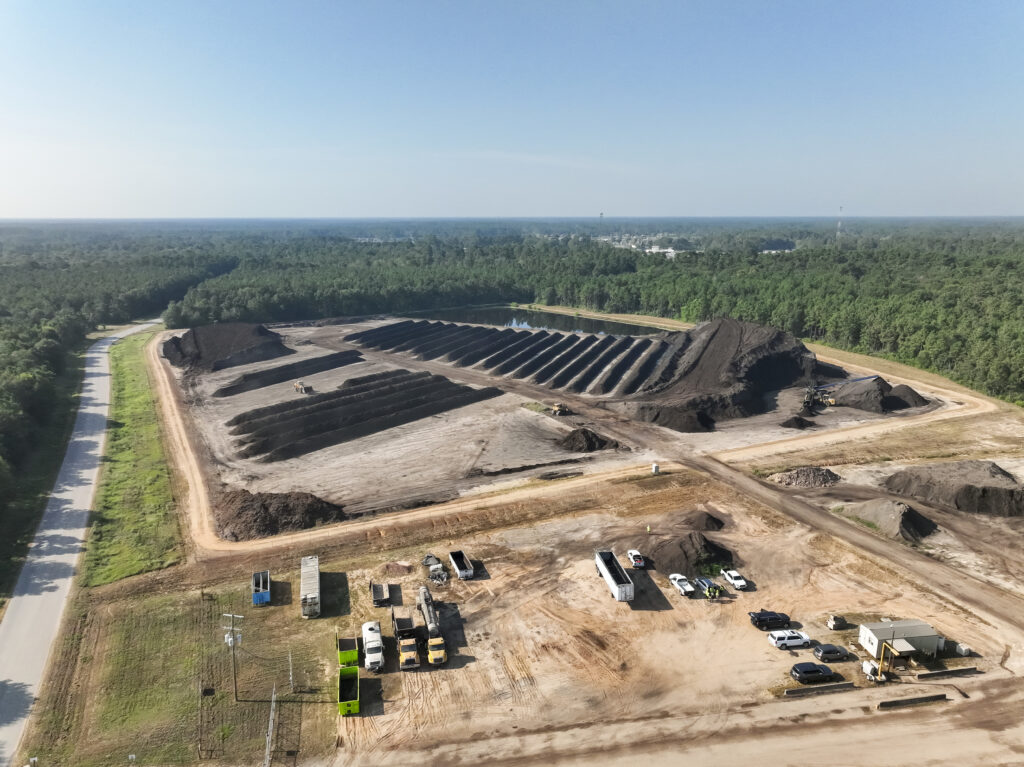
ORGANICS MANAGEMENT: Organic materials such as food scraps, coffee grounds, and yard waste can make up a large portion of what goes into landfills. By managing organics separately, we are turning them into valuable products like compost, mulch and other amendments used by the landscape and agricultural sectors. Our products have helped to support healthier soils and beautify the communities we serve.

  • In 2024, our facilities diverted more than 740,000 tonnes of organics from landfill. These materials were processed into beneficial products.
  • We are also strengthening the management of organics in our industry by partnering with organizations such as the Compost Council of Canada to deliver training and best practices in the management of compost facilities.

Increasing The Beneficial Use of Landfill Biogas

We are turning waste into a resource by capturing landfill gas and converting it into renewable natural gas (RNG). Our goal is to double our beneficial use of biogas by 2030, and 2024 was an important year for our progress:

  • 3 new RNG facilities came online bringing us to 4 new facilities that have come on-line since 2022.
  • We produced more than 4.5 million MMBtus of landfill gas for beneficial use, primarily as RNG, consistent with our forecast to achieve our goal.

Improved landfill gas capture is also key to achieving our GHG emissions reduction target.
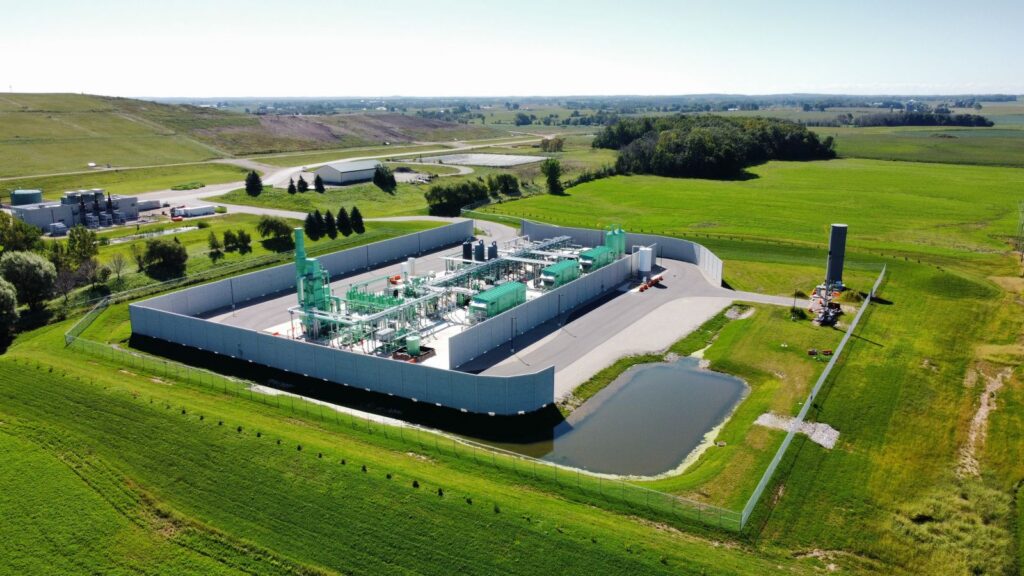
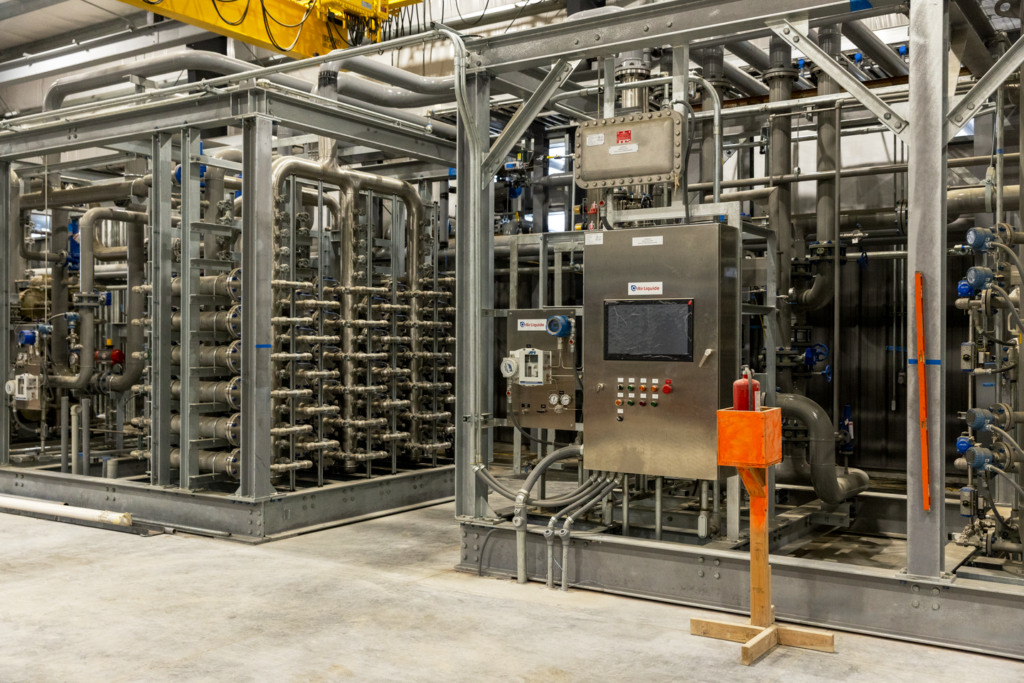
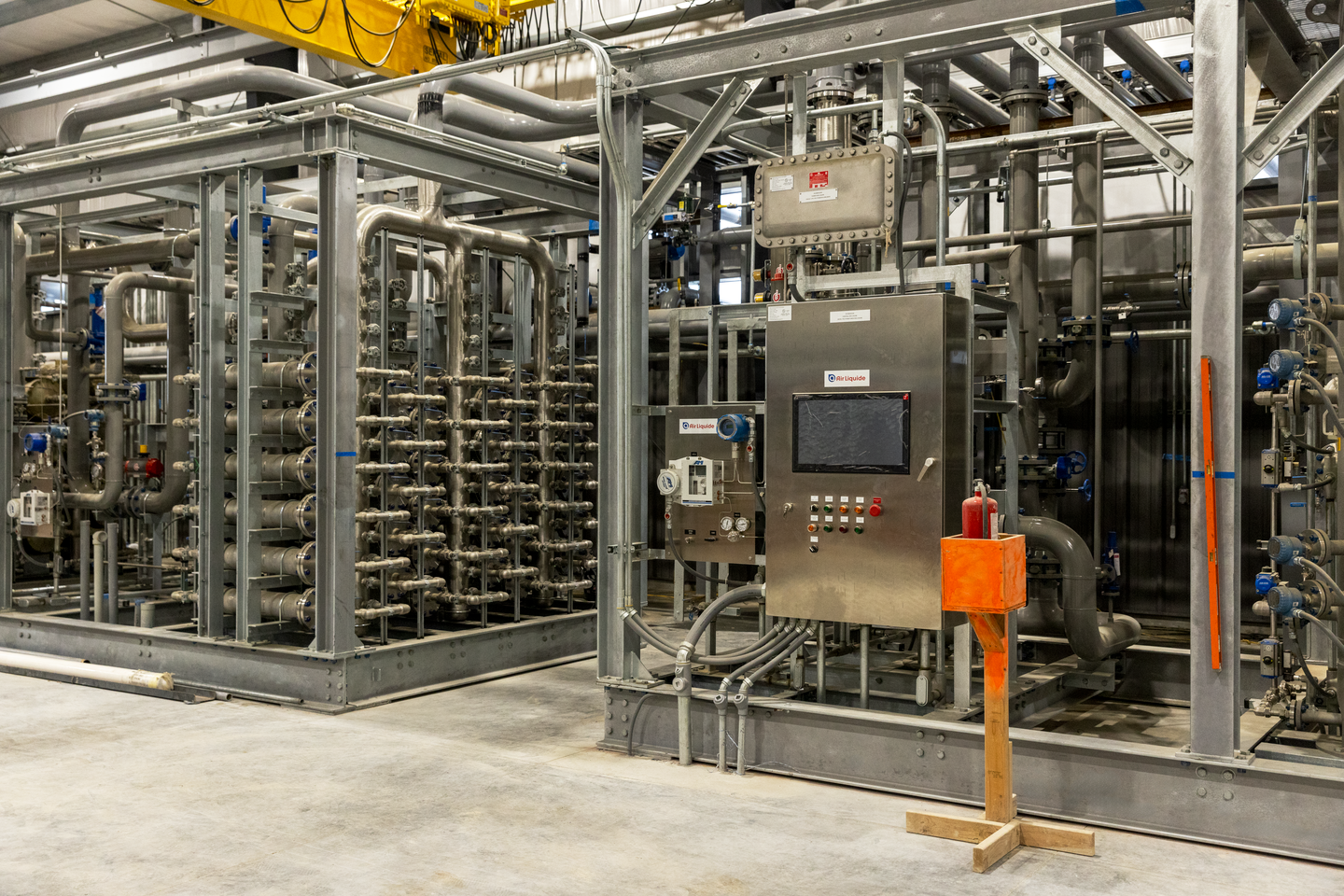
GFL’S CENTRAL MISSOURI LANDFILL RNG FACILITY: In December 2024, we opened a new renewable natural gas facility southeast of Kansas City, Missouri which will produce enough RNG to power 7,200 homes. The annual GHG reductions resulting from the use of RNG produced by the facility will be equivalent to taking 17,500 gas-powered cars from the road for a year. This project has also improved landfill gas collection efficiency at the site.
Built with locally sourced equipment and services, the project supported more than 30 construction jobs and created 6 permanent positions, showing how our renewable energy investments can strengthen communities as well as provide a source of cleaner fuel.

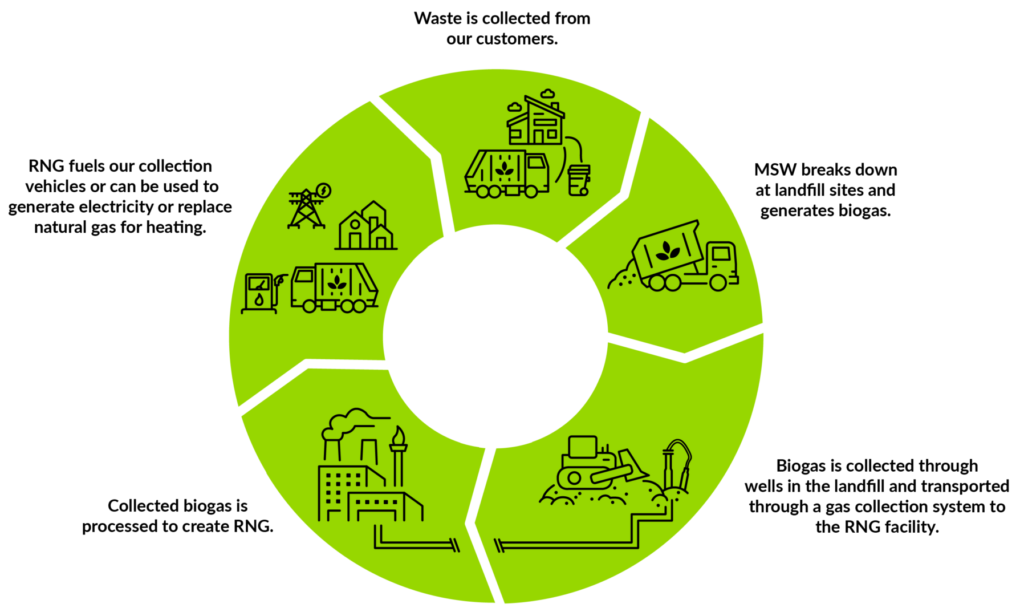
Conversion of Landfill Gas Into A Source of Renewable Energy

Landfill gas, created from the breakdown of organic matter, can be processed into a renewable energy source that can be used to power vehicles, businesses and homes supporting the transition to lower-carbon solutions.
Progress On Reducing Our Emissions

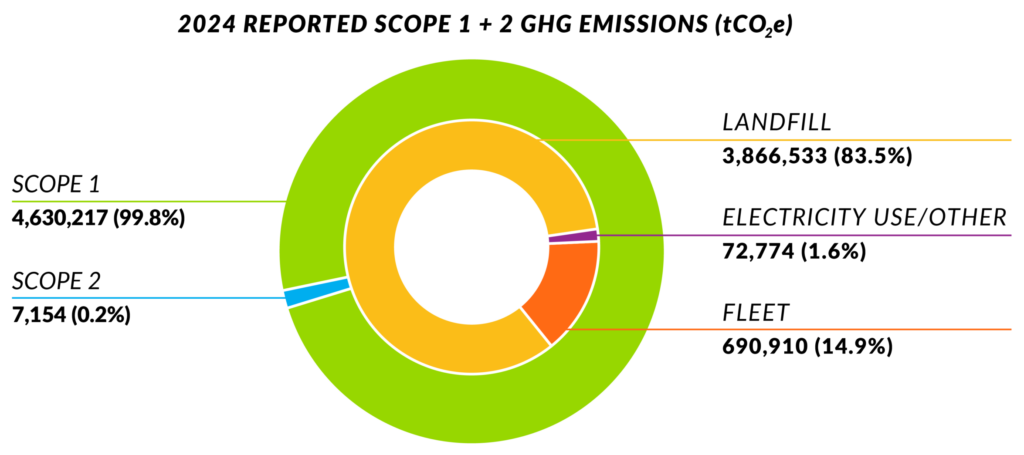
In 2024, we doubled our original greenhouse gas (GHG) reduction target, setting a new target of a 30% reduction by 2030 from our 2021 base year. This target is derived from science-based pathways that address our 3 main sources of emissions:


PILLAR 1

30% reduction in GHG emissions from our landfills. This target is aligned with the Global Methane Assessment.


PILLAR 2

42% reduction in fleet emissions. This target is aligned with the Science-Based Targets initiative (SBTi).


PILLAR 3

100% renewable electricity at GFL-owned facilities. This target is aligned with the International Energy Agency’s net-zero pathway.

We are the first in our industry to adopt this hybrid target-setting approach. To ensure our GHG reduction targets are robust and aligned with climate science, GFL engaged a globally recognized sustainability advisory firm to conduct an independent review of the targets and methodology. The third party concluded that GFL’s targets and target-setting approach are consistent with our 3 science-aligned pathways. The review also concluded that our decarbonization efforts are credible and aligned with a science-based 1.5°C pathway.
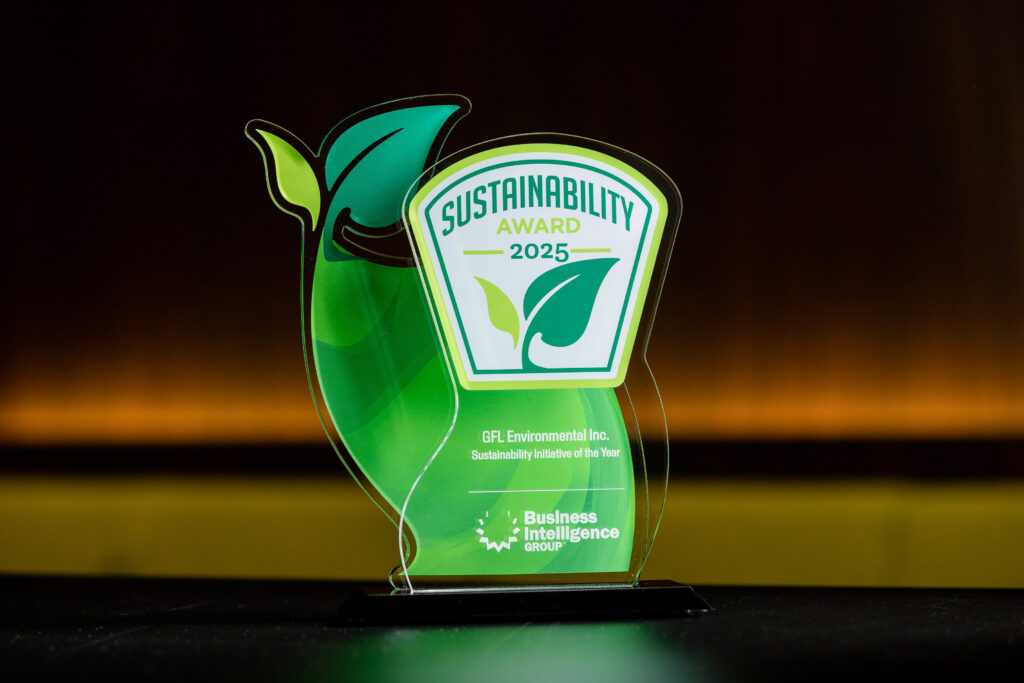
OUR AWARD-WINNING APPROACH TO REDUCING OUR EMISSIONS: Our Hybrid GHG Emission Reduction Strategy was recognized as one of the Business Intelligence Group’s 2025 Sustainability Initiatives of the Year, highlighting our leadership in setting ambitious, science-aligned targets.

2024 Highlights

  • Our total reported emissions decreased by approximately 3%, on track with our reduction pathway.
  • GHG emissions from our landfills were 4% lower than our base year while fleet emissions were 6% higher than in 2021 reflecting the growth of our operations.
  • 38% of electricity used at GFL facilities was renewable through the purchase of renewable energy certificates.

IMPROVING ENERGY EFFICIENCY AT OUR FACILITIES: In addition to switching to renewable electricity, we are reducing the amount of energy our facilities consume. For example, our East Mount Hauling Yard in Houston, Texas underwent a full lighting retrofit in 2024. Replacing more than 260 fixtures with high-efficiency alternatives reduced electricity use by 62%, or about 78,000 kWh annually, while also improving visibility and safety for our employees. We will continue to evaluate additional sites for future energy retrofits like this.

ENGAGING WITH OUR SUPPLY CHAIN: To assess the alignment of our Sustainability Action Plan with the sustainability efforts of our supply chain, we set a goal to complete sustainability supply chain management audits for 100 of our critical Tier 1 suppliers by 2025. Through the end of 2024, we have completed 32 audits of our Tier 1 suppliers and introduced a software platform to streamline the program’s implementation and analyze results. We expect to complete the remaining audits in 2025 to achieve our goal.

Additional 2024 Achievements

We also made advancements in other areas of our business to support achieving our climate-related goals:
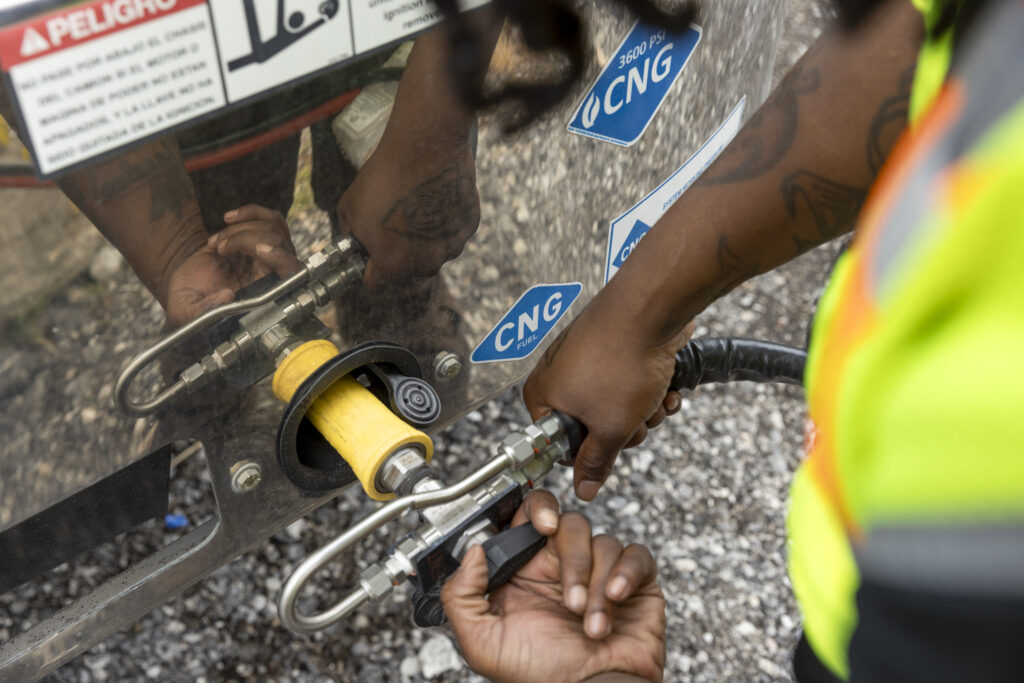
  • More than 72% of our U.S. compressed natural gas fleet is powered by RNG. We are on track to reach our goal of 85% by 2030.
  • We continue to replace traditional diesel-powered solid-waste collection trucks with alternative fuel vehicles. Since 2021, our CNG fleet has grown by 61%.
  • Improvements to landfill gas capture systems resulted in a combined 31% decrease in emissions at sites with upgraded systems.

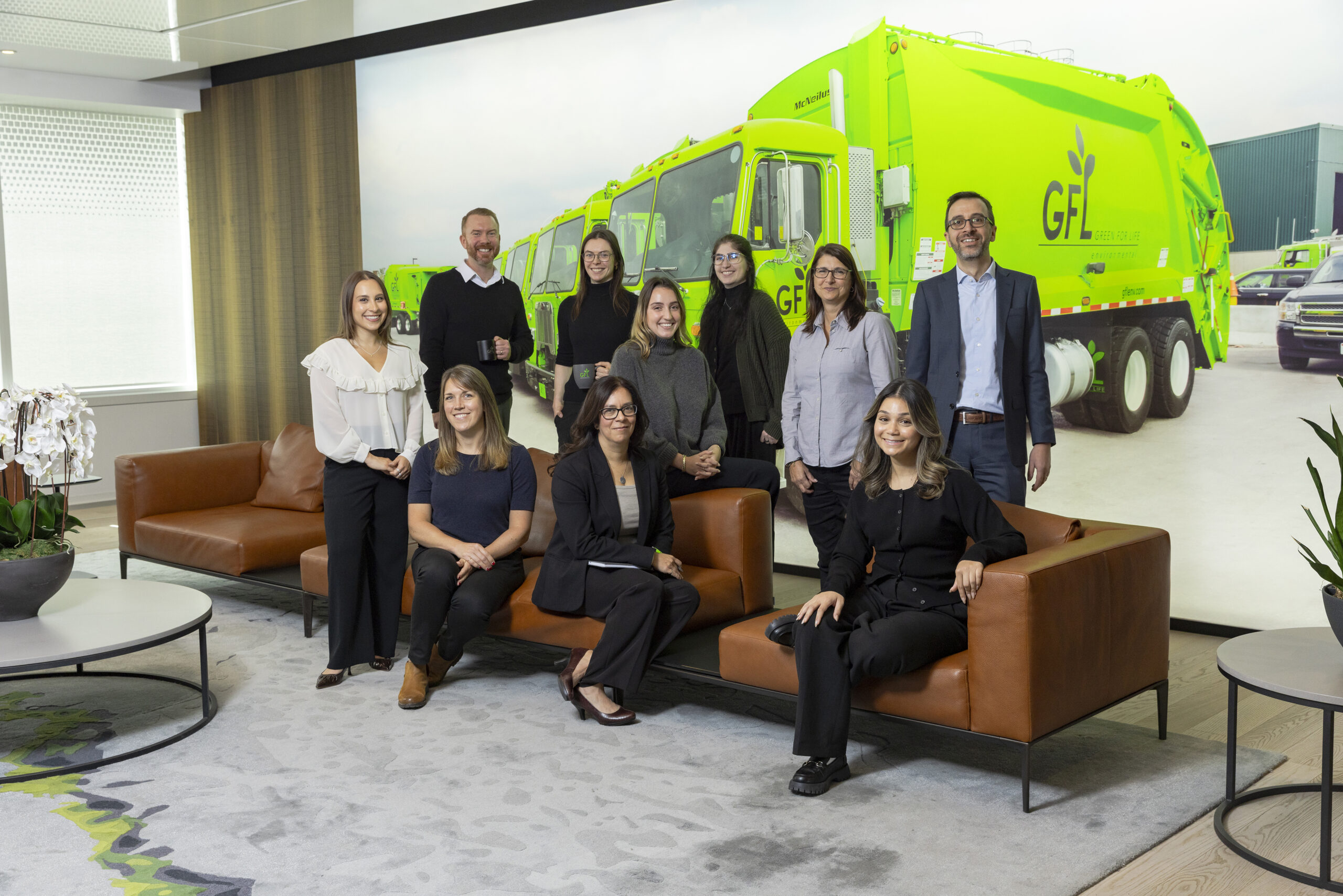
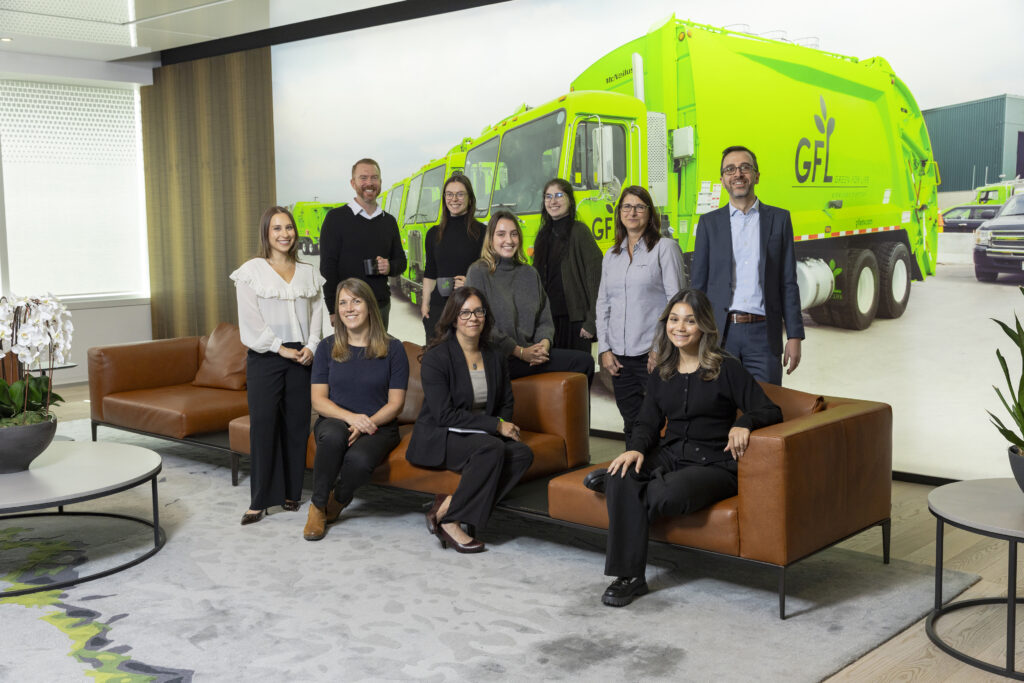
THE PEOPLE BEHIND OUR SUCCESS – GFL’S RENEWABLES, ENVIRONMENTAL RESPONSIBILITY AND SUSTAINABILITY TEAM: The Renewables, Environmental Responsibility and Sustainability Team has a broad range of expertise in the areas of large project delivery, engineering, GHG accounting, environmental analysis, risk management and business-case analysis. Members of the team are involved in a wide range of projects, and work directly with our operations, functional area and executive leaders to support them in achieving progress towards our Sustainability Goals. Some of these projects include the development of landfill gas-to-renewable natural gas projects, research on fugitive emissions control, the development and tracking of our sustainability goals, and supporting our business to develop innovative solutions that are aligned with both our business goals and the implementation of our Sustainability Action Plan. As a result of their broad-based expertise and innovative and entrepreneurial approach to embedding sustainability into our business, our Sustainability Team have been recognized by their peers and asked to represent the industry in consultations with state, provincial and federal technical working groups on issues such as the advancement of landfill gas modelling.

Environmental Innovation Program

GFL’s award-winning Environmental Innovation Program (EIP) is an important driver of our progress towards our circular economy and climate leadership goals.

Through the program, employees are encouraged to share ideas that respond to our customers’ growing demand for sustainable solutions. These ideas are developed into Sustainability Value Initiatives (SVIs)

To guide this work, we have identified four priority areas that represent our next generation SVIs. These areas focus on the most value-enhancing actions needed to help achieve our 2030 targets.

Fugitive emissions and energy resource management at our landfills including the use and testing of surface emissions monitoring and data management systems.

Customer sustainability pilots that can assist in the understanding of scope 3 emissions and the services we provide to our customers that allow them to reduce these emissions.
Pilot/Use of zero emissions vehicles to understand latest advancements and how they may fit within our overall fleet conversion strategy.
Advanced material recovery to increase rates of recovery and types of materials that can be recovered at our MRFs and improve organics recycling.
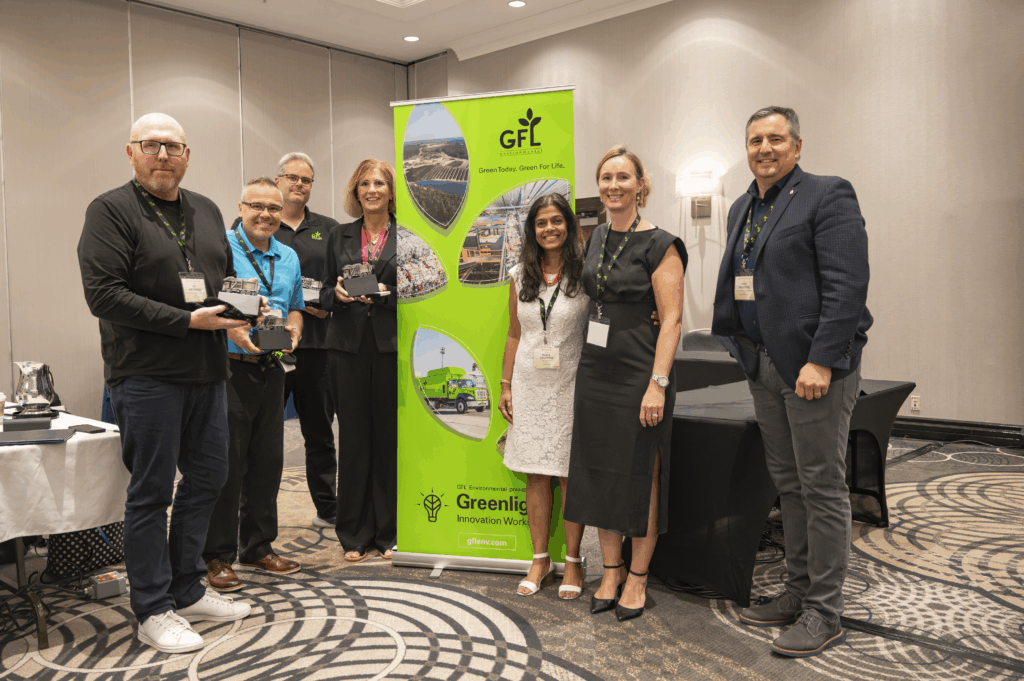
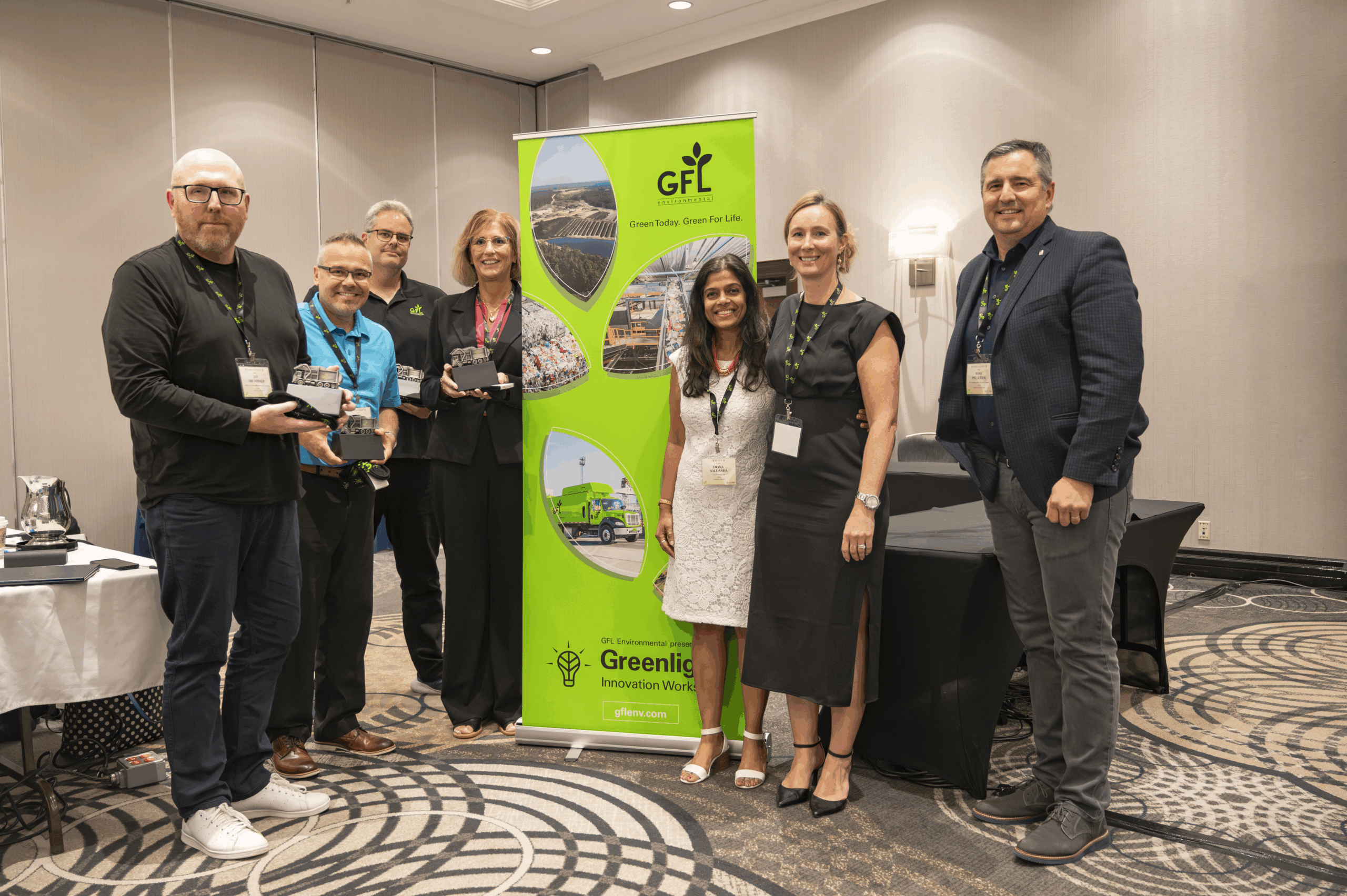
GFL GREENLIGHT INNOVATION WORKSHOP: The annual Greenlight Innovation Workshop is part of our Environmental Innovation Program and fosters an entrepreneurial culture across GFL. Employees from divisions across GFL come together to share ideas, collaborate, and develop practical solutions that can be applied in our operations.
A highlight is the Team Challenge, where small groups tackle real business issues identified by our operations leaders. Jay Archibald, John Wyatt, Brandon Muir, and Katherine Kamrath, the winners of the 5th Annual Challenge, developed a solution to reduce employee turnover by strengthening hiring and onboarding for critical field roles.